
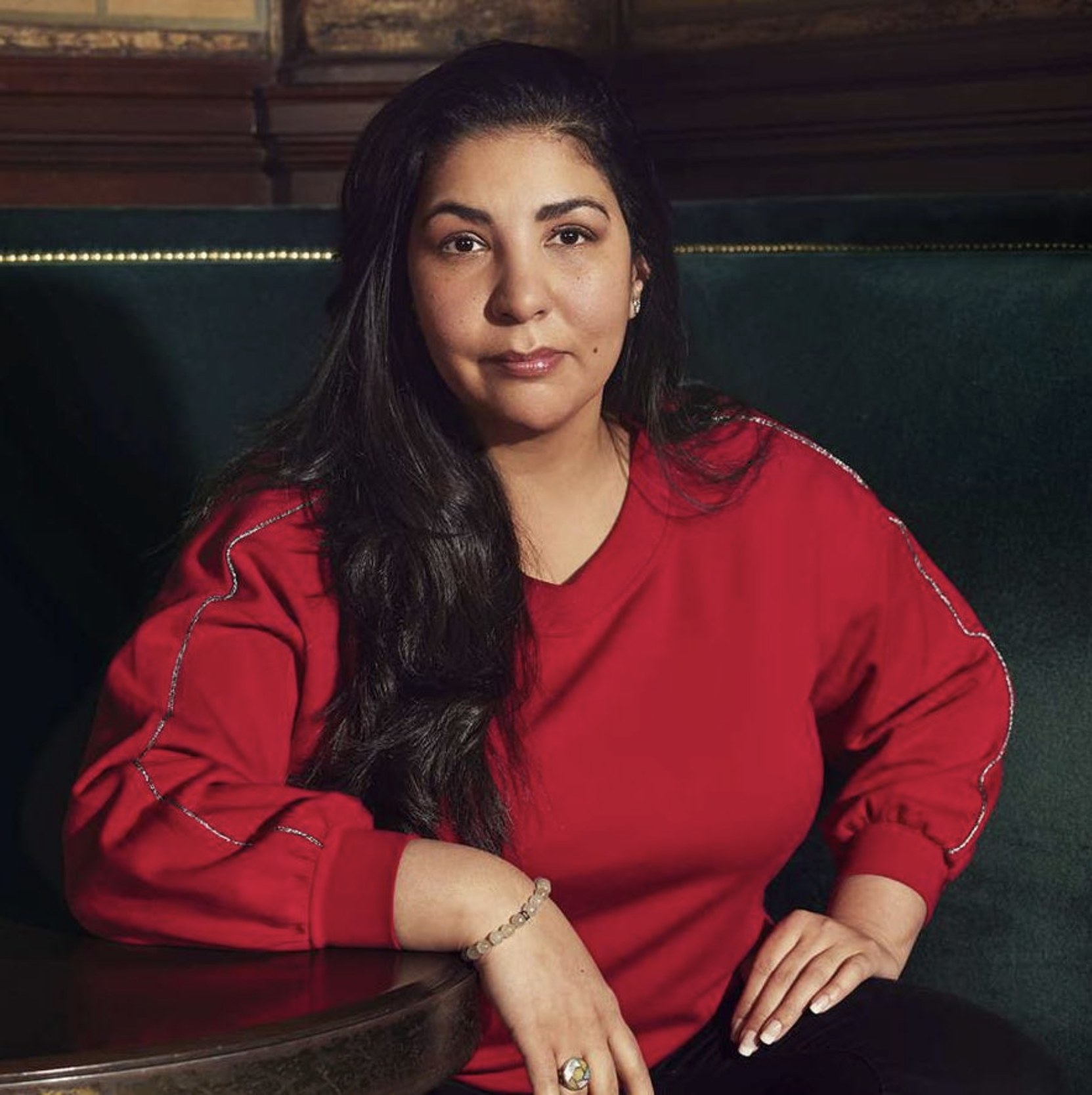
FORENSIC BEHAVIORAL ANALYST & LITIGATION CONSULTANT
Expert analysis of behavior under coercion
Felicia Rosario, MD helps legal teams, organizations, and media productions interpret behavior shaped by coercion, exploitation, trauma, and high-control systems—clearly, carefully, and in context.
COMPLEX CRIMINAL & CIVIL CASES · COERCIVE CONTROL · CULT DYNAMICS · HUMAN TRAFFICKING
MD · Columbia University AB · Harvard University Member · Program in Psychiatry and the Law Executive Producer · Hulu’s Stolen Youth International Speaker
Work with Felicia Rosario
Litigation consulting, media advising, and speaking engagements for professionals navigating coercion, trauma, and complex human behavior.
Meet Dr. Felicia Rosario
Forensic Behavioral Analyst & Litigation Consultant
MD, Columbia University • AB, Harvard University
Dr. Felicia Rosario brings rare clarity to some of the most misunderstood dynamics in human behavior. Drawing from professional expertise and lived experience, she works with legal teams, organizations, and media productions to make sense of behavior shaped by coercion, exploitation, trauma, and high-control systems.
A frequent speaker to audiences worldwide, Dr. Rosario was also an executive producer on the Hulu documentary Stolen Youth: Inside the Cult at Sarah Lawrence (2023), which features her story.
Insights & Media
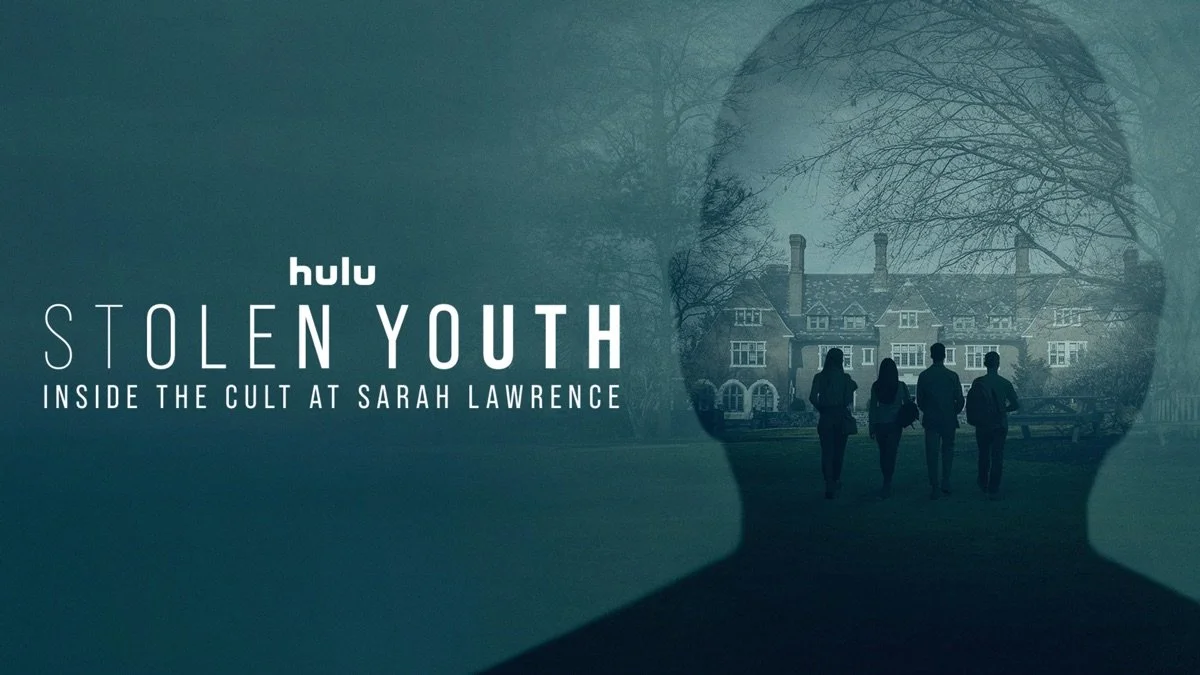
Stolen Youth:
Inside the Cult at Sarah Lawrence (2023)
Streaming on Hulu
Documentary that includes her journey of coercion and recovery.

Notes on Coercion on Substack
Notes on Coercion explores human behavior under coercive control. Dr. Rosario examines power, responsibility, agency under pressure, and the complexities of trauma.

A trauma-informed reading list curated by Dr. Rosario for survivors, families, and helping professionals.